
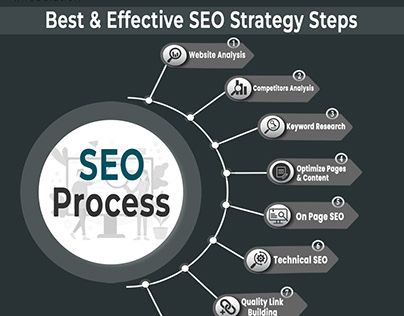
How to Build an Effective SEO Strategy for Your Website
Search engine optimization is no longer a discretionary line item in a digital budget. It is the structural foundation upon which sustainable organic growth is built. Yet many organizations treat SEO as a collection of tactical fixes—a meta tag update here, a keyword insertion there—rather than the disciplined, compounding strategy it must be. This guide outlines a professional, repeatable framework for building an SEO strategy that withstands algorithm updates and delivers measurable business results.
Start With Business Objectives, Not Keywords
The most common failure in SEO is beginning with a keyword tool instead of a business conversation. Before researching a single query, define what success actually means for your organization. Is the priority lead generation, e-commerce revenue, brand visibility, or customer retention? Each objective demands a different configuration of content, technical investment, and measurement.
Establish clear, quantifiable targets and tie them to the funnel:
- Top of funnel: impressions, new user acquisition, branded search growth
- Mid funnel: engaged sessions, time on page, return visits
- Bottom funnel: conversions, revenue attributed to organic, pipeline influence
Once these targets are agreed upon by stakeholders, every subsequent decision—from information architecture to content cadence—can be evaluated against them.
Conduct a Technical Foundation Audit
Content and links cannot compensate for a broken technical foundation. A thorough audit identifies the barriers that prevent search engines from crawling, rendering, and indexing your site efficiently.
Core Technical Priorities
Document findings in a prioritized remediation roadmap, ranked by traffic impact and implementation effort. Technical debt compounds; address it early.
Build a Keyword and Topic Architecture
Keyword research should produce a map, not a list. Group queries by intent—informational, navigational, commercial, and transactional—and cluster them into topic pillars with supporting subtopics. This structure serves two purposes: it aligns content with the questions your audience actually asks, and it signals topical authority to search engines.
Evaluate each cluster against three filters:
| Relevance | Does this topic align with our offering and expertise? | Pursue or discard |
| Demand | Is there measurable search volume and intent? | Prioritize high-demand clusters |
| Competition | Can we realistically compete within 6–12 months? | Sequence by winnability |
Map every cluster to a target URL, assign an owner, and define the primary conversion action for each page. This prevents cannibalization and ensures content investment is traceable to revenue.
Produce Content That Demonstrates Expertise
Search engines reward content that satisfies intent more completely than competing results. That standard is met through depth, accuracy, originality, and clear structure—not word count alone.
Content Standards Worth Enforcing
- Address the primary query within the first screenful; do not bury the answer beneath preamble.
- Support claims with evidence, data, or first-hand experience to strengthen Experience, Expertise, Authoritativeness, and Trustworthiness (E-E-A-T) signals.
- Use descriptive headings, concise paragraphs, and structured elements such as tables and lists to improve scannability.
- Attribute authorship to credentialed subject-matter experts with visible bios.
- Refresh high-value pages on a scheduled cadence rather than publishing new content exclusively.
Consistency matters more than volume. A disciplined editorial calendar tied to the topic architecture will outperform sporadic publishing bursts.
Earn Authority Through Strategic Link Building
Backlinks remain one of the strongest ranking factors, but quality and relevance outweigh quantity by a wide margin. Prioritize acquisition tactics that create genuine editorial value:
Audit your existing link profile periodically to identify broken links, disavow manipulative patterns, and benchmark against competitors. Authority building is a long-horizon investment, not a campaign.
Measure, Iterate, and Scale
An SEO strategy without a measurement framework is an opinion. Establish a reporting rhythm—weekly for technical health, monthly for rankings and traffic, quarterly for revenue attribution—and connect performance data to the objectives defined at the outset.
Focus on leading and lagging indicators in tandem. Ranking movements and impression share indicate trajectory; organic conversions and revenue confirm outcomes. Where performance falls short, diagnose by layer: technical, content, or authority. Most underperformance traces to a specific, fixable constraint rather than a mysterious algorithm penalty.
Finally, treat the strategy as a living document. Search behavior, competitive landscapes, and platform capabilities evolve continuously. Quarterly strategy reviews, informed by data and aligned to business goals, ensure your SEO program compounds in value rather than decaying quietly in a forgotten spreadsheet.
Conclusion
Effective SEO is built through sequence and discipline: business objectives first, technical integrity second, intent-aligned content third, authority fourth, and continuous measurement throughout. Organizations that commit to this framework—and resource it accordingly—establish an organic acquisition channel that reduces dependence on paid media and delivers returns that compound year over year.